logo
Shenzhen Zhong Jian South Environment Co., Ltd.
المنتجات
المنزل /

المنتجات

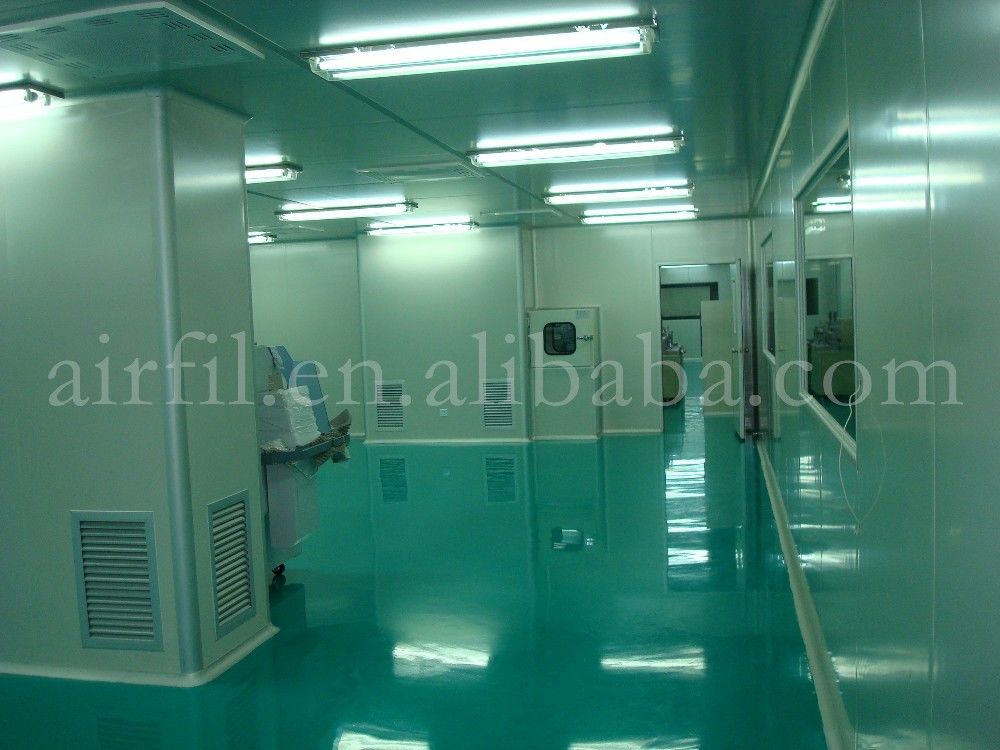
ZJNF CE UL ISO Standard Custom GMP Design Modular Cleanroom Project

تفاصيل المنتج

مكان المنشأ: الصين

اسم العلامة التجارية: ZJNF

شروط الدفع والشحن

الحد الأدنى لكمية: 1

الأسعار: negotiate

تفاصيل التغليف: الخشب الرقائقي/حزمة خشبية

وقت التسليم: 18 يوما

شروط الدفع: بطاقة الائتمان tt lc باي بال

احصل على أفضل سعر
اتصل بنا الآن
المواصفات
إبراز:

GMP modular cleanroom design,CE certified modular cleanroom,custom ISO standard cleanroom

,

CE certified modular cleanroom

,

custom ISO standard cleanroom

طلب:
100 معمل / غرفة نظيفة للمختبر، مختبر صيدلاني، مختبر كيميائي، مصنع إلكترونيات، مستشفى
سعر صرف الهواء:
100,000 درجة 10-15 مرة/ساعة
يكتب:
كشك غرفة نظيفة، تصاميم وحدات، غرف الأبحاث
التحكم البيئي الذكي:
يوفر نظام التحكم المتكامل بشاشة تعمل باللمس مقاس 10 بوصات مراقبة فورية لدرجة الحرارة والرطوبة والضغط
مادة الجسم:
الفولاذ المدلفن على البارد / الفولاذ المقاوم للصدأ
فئة المنتج:
غرفة نظيفة معيارية
التصميم الهيكلي المعياري:
يتم تصنيع الإطار الرئيسي وأنظمة الأغلفة ومعدات التنقية (وحدات FFU/دشات الهواء، وما إلى ذلك) مسبقًا ك
الطاقة الجديدة/البحث والتطوير:
حلول النشر السريع لورش عمل بطاريات المركبات الكهربائية والمختبرات الجامعية، مثالية للاحتياجات الصغير
طلب:
100 معمل / غرفة نظيفة للمختبر، مختبر صيدلاني، مختبر كيميائي، مصنع إلكترونيات، مستشفى
سعر صرف الهواء:
100,000 درجة 10-15 مرة/ساعة
يكتب:
كشك غرفة نظيفة، تصاميم وحدات، غرف الأبحاث
التحكم البيئي الذكي:
يوفر نظام التحكم المتكامل بشاشة تعمل باللمس مقاس 10 بوصات مراقبة فورية لدرجة الحرارة والرطوبة والضغط
مادة الجسم:
الفولاذ المدلفن على البارد / الفولاذ المقاوم للصدأ
فئة المنتج:
غرفة نظيفة معيارية
التصميم الهيكلي المعياري:
يتم تصنيع الإطار الرئيسي وأنظمة الأغلفة ومعدات التنقية (وحدات FFU/دشات الهواء، وما إلى ذلك) مسبقًا ك
الطاقة الجديدة/البحث والتطوير:
حلول النشر السريع لورش عمل بطاريات المركبات الكهربائية والمختبرات الجامعية، مثالية للاحتياجات الصغير
الوصف
ZJNF CE UL ISO Standard Custom GMP Design Modular Cleanroom Project

Selecting the cleanroom classification primarily involves matching the sensitivity of the production process to particles and microorganisms. Here's a clear decision framework for you:
1. Clarify your core needs
First ask yourself: What does your product fear the most? Is it micron-level dust or invisible microorganisms? This determines whether you should follow the ISO standard (for particle control) or the GMP standard (which addresses both microorganisms and particles). For example, chip manufacturing fears dust, while biopharmaceuticals fear microorganisms.
2. Refer to typical industry classifications
Different industries have established conventions, which serve as a great starting point:
ISO Class 1-3 (Class 100/1,000): Semiconductor lithography and production of high-end medical device implants, with zero tolerance for sub-micron particles.
ISO Class 5 (10,000): Used for sterile pharmaceutical filling and precision optical component manufacturing, requiring strict microbial control.
ISO Class 7-8 (Class 100,000): Suitable for food packaging and general medical device assembly, meeting basic dust control requirements.
ISO Class 9 (Class 100,000): Suitable for raw material storage and simple assembly, with relatively low cleanliness requirements.
3. Consider three practical principles
Precision Matching: Avoid blindly pursuing high cleanliness levels. For instance, a food raw material warehouse only requires a Class 100,000 standard, while a chip lithography area must meet a Class 100 standard.
Reserve for Upgrades: If future process improvements are possible, design with reserved space and piping interfaces to reduce later renovation costs.
Regional Differentiation: Divide the same workshop into different-grade zones, such as a "Class 100,000 raw material area + Class 10,000 packaging area," which meets requirements while reducing costs.
4. Focus on key parameters
In addition to the rank, it also depends on:
Air change rate: For Class 100 (ISO Class 4), it should be ≥200 times/hour; for Class 100,000 (ISO Class 7), approximately 15-20 times/hour.
Temperature and Humidity Control: Typically maintained at 18-24°C and 45-65% humidity.
Pressure differential design: Prevent contamination from low-cleanliness areas to high-cleanliness areas.

5. Seek Professional Support
The final proposal recommends please send inquiry to us,we will make custom design for you asap.

منتجات مماثلة
أنظمة تصفية FFU ذات الطلاء فيديو
احصل على أفضل سعر
أرسل استفسارك
الرجاء إرسال طلبك إلينا وسنرد عليك في أقرب وقت ممكن.
ارسل